


כשיום אחד מרגיש כמו סתיו ויום למחרת כמו התחלה של קיץ, הגוף מגיב בהתאם. עונות המעבר, עם השינויים החדים בטמפרטורה ובלחות, גורמות לכולנו להרגיש לפעמים כאילו משהו "לא יושב כמו שצריך".
עייפות שלא עוזבת, נזלת שמתחילה בלי סיבה, שיעול שמופיע פתאום – ולפעמים פשוט תחושת כובד כללית. האם מדובר בווירוס, תגובה לאבקנים או אולי רק שינוי זמני? ננסה להסביר בכתבה הבאה למה עונות המעבר משפיעות על הבריאות, ואיך אפשר לצלוח אותן בשלום.
Weather changes also confuse the body
הטמפרטורות בעונות המעבר מתאפיינות בתנודות קיצוניות – בוקר קריר, צוהריים חמים ורוח מפתיעה בשעות הערב. תנאים כאלה מקשים על הגוף לשמור על איזון פנימי, במיוחד במערכת החיסונית, שנאלצת להסתגל כל הזמן לסביבה משתנה.
The result is a temporary decrease in resistance to pollutants and a tendency to develop mild to moderate symptoms such as fatigue, a general feeling of sickness, and sometimes also Sore throat, which develops due to dryness, exposure to cold wind, or seasonal virus activity.
הגוף מתמודד לא רק עם הטמפרטורות עצמן, אלא גם עם תנאי סביבה משתנים – שינויי לחות, מעבר בין חללים מחוממים לאוויר קריר, וגם חשיפה לאבקנים או חיידקים שמסתובבים באוויר.
Seasonal Viruses: Familiar but Always Surprising
The viruses of the transitional seasons are not as strong as those of winter, but they certainly do their job. Rhinovirus, for example, is one of the most common viruses in these seasons, and is known to be primarily responsible for seasonal colds. It is highly contagious, relatively resistant to changing environmental conditions, and works mainly when the temperature is comfortable – just like in spring and autumn.
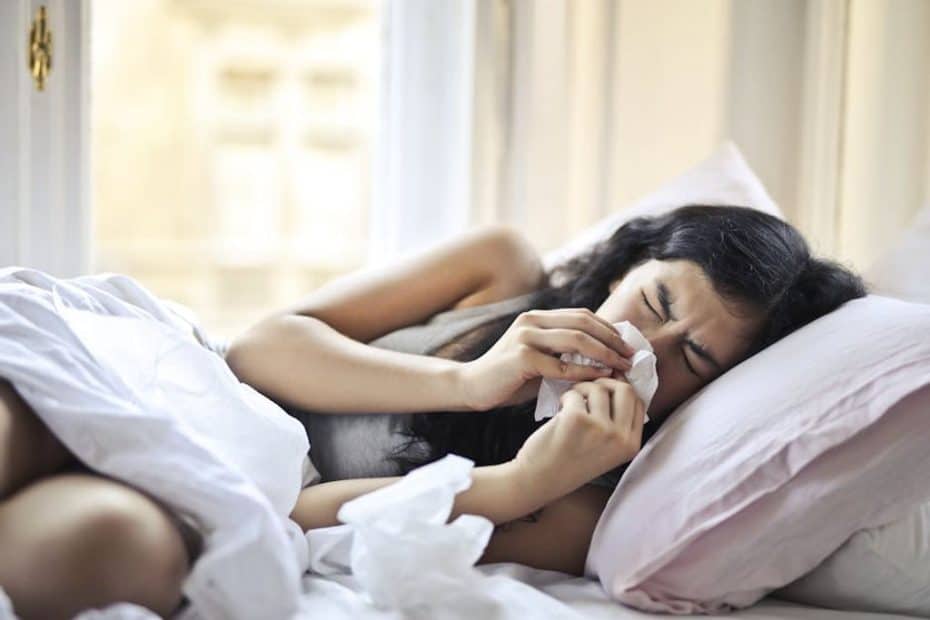
הסימפטומים הנפוצים כוללים נזלת מימית, עיטוש, שיעול יבש, עייפות כללית ולעיתים גם חום נמוך. בגלל שהם דומים לסימנים של אלרגיה, אנשים רבים מתקשים להבין אם הם סובלים ממחלה ויראלית או פשוט מתגובה עונתית.
Who feels it more?
While some people go through the transition seasons without any special signs, others feel any slight change. Children, for example, are particularly sensitive because their immune systems are still developing. They are exposed to viruses in kindergartens, schools, and indoor spaces – and their response is sharper and faster.
The elderly also experience the transition seasons in a more pronounced way, mainly due to a natural decline in the functioning of the immune system. In them, a mild virus can get worse quickly and lead to complications. In addition, people with chronic diseases, asthma, or respiratory allergies experience worsening at this time of year.
For people who suffer from allergies, spring and autumn are also quite a challenge. Pollen, house dust mites, mold that accumulates after the first rain – all of these affect the respiratory system and cause symptoms that resemble a cold, but are not caused by a virus.
Here's how to get through the season without going to bed
The transition seasons may be challenging, but you can get through them peacefully with a little awareness and proper maintenance of the body. Here are some tips to help:
· Dress in layers: Even if it's a hot afternoon, invest in a scarf, a light jacket or a long garment – especially in the morning and evening.
· תזונה מחזקת: דאגו לתפריט עשיר בוויטמינים, נוגדי חמצון ונוזלים.
· Quality sleep: Lack of sleep weakens the body and increases susceptibility to infections.
· Hygiene: Be sure to wash your hands, do not touch your face, and disinfect common objects at work or at home.
· Ventilation: Open windows in closed rooms and avoid prolonged stays in places with artificial air conditioning only.
In conclusion, the transitional seasons bring natural beauty, flowering and renewal into our lives – but also health challenges that are not always visible. When the temperature fluctuates and viruses take advantage of the instability, we should stay one step ahead of them. By listening to the body, strengthening the immune system, and adjusting your habits to the season, you can get through this period calmly, and stay healthy throughout the year.
